Beginner Tips for Composting at Home: A Simple Guide to Get Started
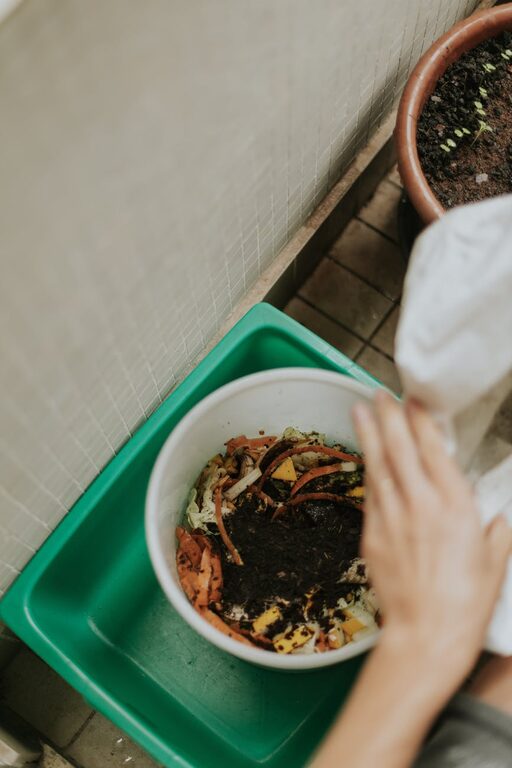
Composting at home is a rewarding way to reduce waste, enrich your garden soil, and contribute to a healthier environment. Whether you have a large backyard or a small balcony, composting can be adapted to fit your space and lifestyle. If you’re new to composting, the idea might seem overwhelming, but with a few simple tips, you can get started today and enjoy the benefits.
What is Composting?
Composting is the natural process of recycling organic materials like food scraps and yard waste into a rich, dark soil amendment known as compost. This process involves microorganisms breaking down the organic matter, creating nutrient-dense compost that improves soil health, retains moisture, and supports plant growth.
Why Compost at Home?
– Reduces Waste: Composting keeps food scraps and yard debris out of landfills, reducing greenhouse gas emissions.
– Creates Healthy Soil: Compost improves soil structure, boosts nutrients, and increases the ability to retain water.
– Saves Money: Homemade compost reduces the need for chemical fertilizers.
– Supports Sustainability: It’s a great way to reduce your ecological footprint and promote environmental health.
Getting Started: Choose Your Composting Method
1. Traditional Compost Bin
A compost bin is a great option for those with outdoor space. These bins keep your compost contained while allowing airflow to speed up decomposition.
2. Compost Pile
If you have a garden, you might simply start a compost pile in a designated corner. This method requires some turning and monitoring but is very straightforward.
3. Tumbler Composters
These are sealed containers that can be rotated or tumbled to mix materials easily, speeding up the process and reducing odors.
4. Indoor Composting (Worm Bin or Bokashi)
For people with limited space, indoor composting options like worm bins (vermicomposting) or bokashi systems are effective ways to compost kitchen scraps.
What Can You Compost?
Compost needs a good balance of “greens” and “browns”:
– Greens: Nitrogen-rich materials such as fruit and vegetable scraps, coffee grounds, fresh grass clippings, and garden waste.
– Browns: Carbon-rich materials like dry leaves, straw, cardboard, paper, and small branches.
Avoid composting meat, dairy, oils, and diseased plants, as these can attract pests and cause unpleasant odors.
Essential Composting Tips for Beginners
1. Maintain a Balance
Aim for about 2 to 3 parts browns to 1 part greens. Too many greens can make your pile slimy and smelly, while too many browns slow down the decomposition process.
2. Cut or Shred Larger Items
Breaking down materials into smaller pieces helps microbes do their job faster. Chop vegetable scraps, shred cardboard, and cut leaves if possible.
3. Keep It Moist but Not Wet
Compost should be as damp as a wrung-out sponge. If it’s too dry, decomposition slows down, and if it’s too wet, it can get smelly. You can add water or dry materials to maintain the right moisture.
4. Turn Your Compost Regularly
Aerating your pile by mixing or turning it every week or two helps oxygen reach the microbes, speeding up decomposition and preventing odors.
5. Be Patient
Composting takes time—from a few weeks to several months—depending on conditions. Don’t get discouraged if you don’t see results immediately.
Troubleshooting Common Composting Problems
Smelly Compost
– Cause: Too much green material or the pile is too wet.
– Solution: Add more brown material like dry leaves or newspaper and turn the pile to increase airflow.
Pests Around the Pile
– Cause: Food scraps like meat or oily foods may attract animals.
– Solution: Avoid composting these items and use a closed compost bin or tumbler.
Slow Decomposition
– Cause: Lack of moisture, too many browns, or compacted pile.
– Solution: Add water, increase green materials, and turn the pile to aerate.
Using Your Finished Compost
Your compost is ready when it’s dark, crumbly, and smells earthy. Use it to:
– Enrich garden beds and potting soil
– Mulch around plants to retain moisture
– Improve lawn health by mixing into the soil
– Nourish indoor plants by mixing into potting mix
Final Thoughts
Starting to compost at home is easier than you might think! With a bit of attention to balancing materials, moisture, and aeration, you’ll be on your way to creating your own natural fertilizer that benefits your plants and the planet. Remember, composting is a process—and a fantastic way to connect with nature and sustainability right in your own home.
Happy composting!